
[
]
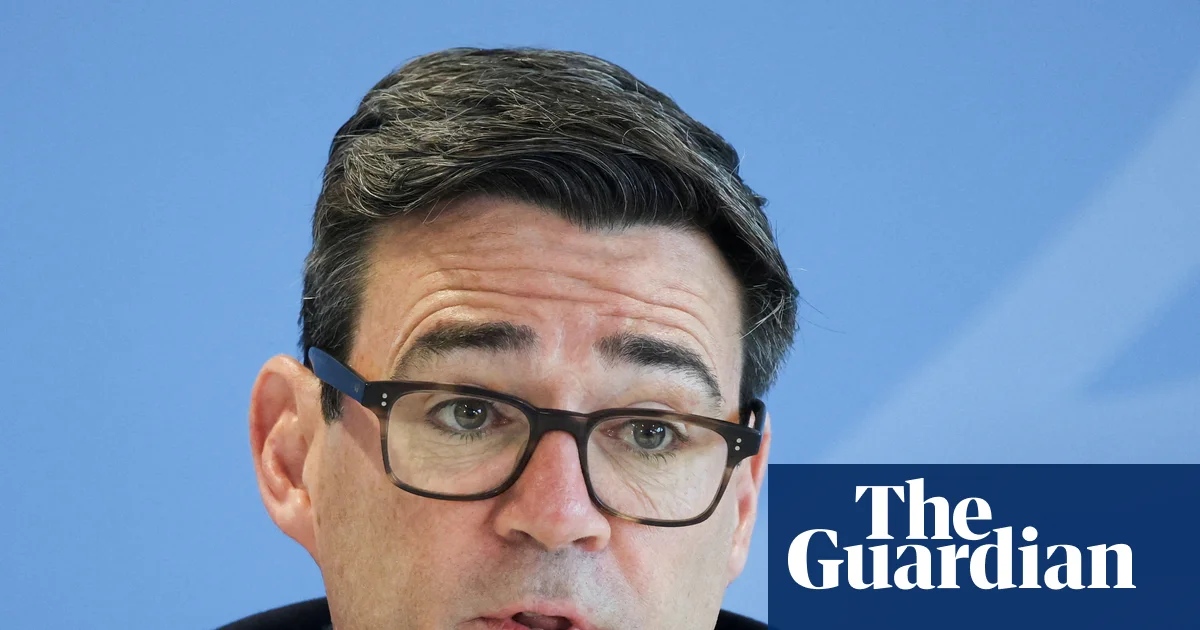
Andy Burnham says he wants an “honest discussion” with the British public about the possibility of a return to free movement between the UK and the EU as part of his plans for a new relationship with the bloc.
The prime minister has been open about his desire to revisit the relationship between Britain and Brussels. He has said a new deal could mean the UK goes “all the way” and rejoins the EU.
Other options discussed by Burnham include joining the single market, which would require signing up to free movement, or being part of the customs union. Both would require an element of agreeing to rules set by the EU.
In an interview with the Sunday Times, he said: “I think you have to have a very factual, quite evidence-based debate about this.”
The prime minister has previously committed to the red lines in Labour’s 2024 election manifesto, which ruled out the return of free movement, single market membership or a customs union.
It means any fundamental change in the relationship is likely to have to wait until after a general election, expected by 2029.
The prime minister acknowledged freedom of movement “had very significant challenges associated with it”, but suggested that European migration had changed in the past decade.
“It was a type of immigration that perhaps wasn’t as difficult [as now],” he told the Sunday Times.
“Revolving door migration where people would come and then go back is different.
“The balance of migration has changed, hasn’t it, since then? I think we’ve just got to have an honest discussion about those things.”
Burnham will meet EU chiefs at a summit in Brussels on 20 November.
He argued that there had been reciprocal benefits of free movement for Britons, particularly for young members of the population wanting to experience living in Europe.
The issue of migration was one of the dominant debates during the 2016 Brexit referendum campaign.
In the 12 months to June 2016 – the month of the Brexit leave vote – net migration was at a near-record high of 335,000, according to the Office for National Statistics.
Decisions made after the Brexit result would lead to higher levels of migration, however.
Net migration peaked at a record 944,000 in the year to March 2023 due to a surge of foreign workers encouraged to come to the UK by Boris Johnson’s Conservative government as the UK emerged from the Covid pandemic.
It has fallen sharply since then, with net migration dropping to well below pre-Brexit levels. It stood at 171,000 last year, almost half of what it was in 2016.
Burnham has said he will take the opportunity around the summit with EU leaders in November to lay out to the British public different options for the future relationship with the bloc.
But Burnham added that he could not imagine recommending that the UK join the Schengen Area, in which border controls have been abolished, or ditching the pound to adopt the euro.
Nigel Farage said the prime minister’s comments were a “total betrayal” of voters who backed Brexit, including in Burnham’s Makerfield constituency.
The Reform UK leader added: “He is also deluded to say immigration was different when we were members of the EU. We will fight this dishonesty.”
Chris Philp, the Conservative shadow home secretary, said: “Andy Burnham knows full well that a return to EU free movement would mean handing back control of our borders and allowing uncontrolled migration from across Europe.
“The British people voted to end free movement, and there can be no return to it.”
[
]





Leave a Reply