
[
]
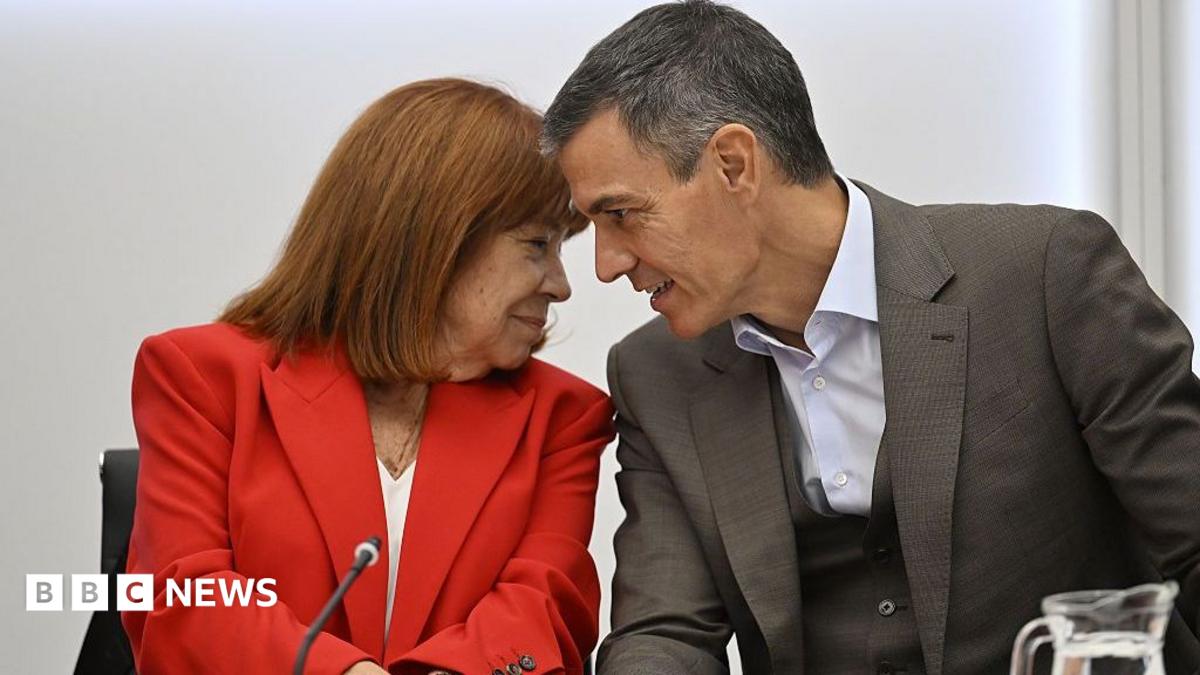
Spanish Prime Minister Pedro Sánchez’s decision to call a snap election for 29 November came on the back of a parliamentary defeat.
On Friday, the raft of measures he had presented to congress aimed at improving conditions for tenants and trying to address the problem of soaring rentals was narrowly rejected, as parties on the right voted against them.
That parliamentary result confirmed that Sánchez’s left-wing coalition no longer commanded a majority.
But as has so often been the case throughout Sánchez’s career, the calling of the election was not a knee-jerk reaction but a carefully thought-out manouevre.
His government has been struggling in recent months.
His Socialist Party has been mired in corruption, with cases implicating former senior figures in the party, Santos Cerdán and José Luis Ábalos, while the former Socialist Prime Minister, José Luis Rodríguez Zapatero, is facing accusations of having benefited financially from the government’s bailout of an airline. Zapatero has denied wrongdoing.
In addition, Sánchez’s wife, Begoña Gómez, is due to go on trial over allegations of misuse of funds and influence peddling – accusations that Gómez and Sánchez vehemently deny.
Meanwhile, Sánchez’s administration has struggled to manage the crisis in the Spanish exclave of Ceuta in North Africa, where more than 70,000 migrants suddenly arrived in July. Most have returned over the border to Morocco, but the city has become a political and logistical headache for the prime minister.
[
]










Leave a Reply