

[
]
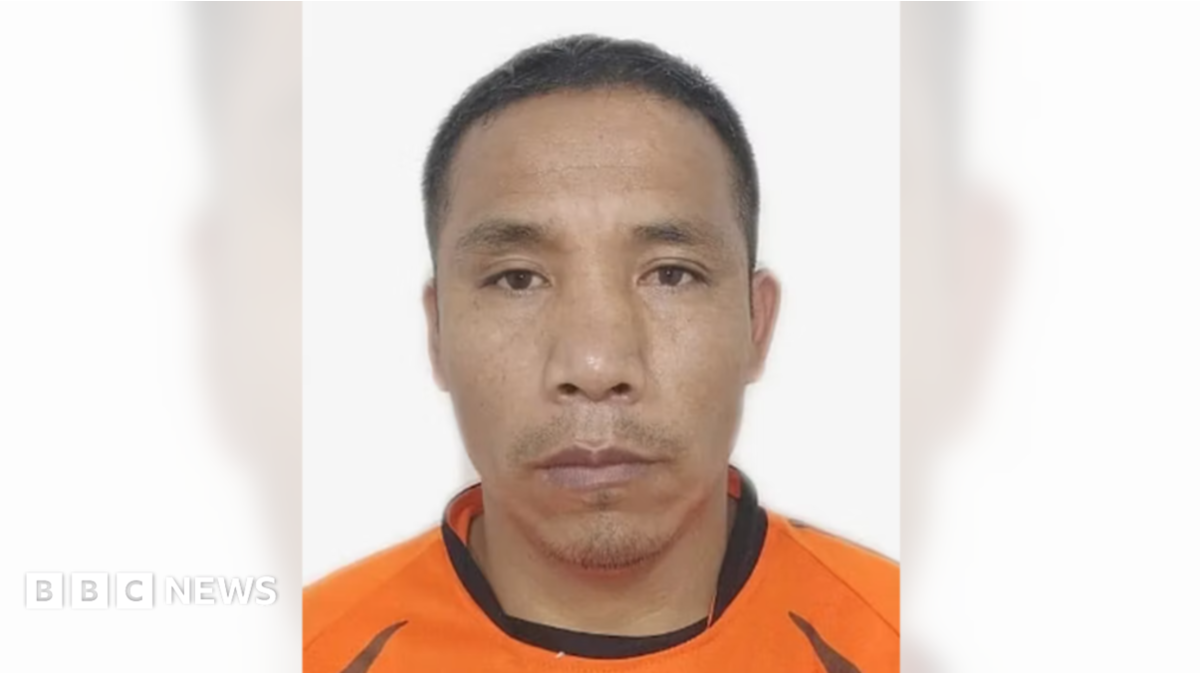
Similarly, he was not flagged as a suspected Ebola patient when he reached Nairobi’s Jomo Kenyatta International Airport, where a relative collected him and drove him directly to Nairobi Hospital, a private medical facility in the Kenyan capital.
By then, he was suffering from fever, chills, muscle pain, a sore throat and bleeding.
Laboratory tests confirmed that he had contracted the Bundibugyo species of Ebola – the same one responsible for the outbreak in DR Congo.
He was placed in isolation while his condition deteriorated. He died on 5 October and was buried the following day under strict infection-control measures.
The Kenyan government says it has now identified 66 people who may have been in contact with him after he arrived there. The WHO says the number is likely to rise as contact-tracing in Uganda and DR Congo continues.
The quarantine arrangements have also raised concerns among some healthcare workers, amid questions about how the patient was handled at Nairobi Hospital.
Kenya’s health ministry says more than 652,000 travellers have been screened and nearly 5,000 healthcare workers trained to deal with Ebola, with five facilities designated to handle cases.
Ebola spreads through direct contact with the bodily fluids of an infected person who has developed symptoms, or through contaminated materials.
Its incubation period ranges from two to 21 days, meaning someone exposed to the virus may not become ill until several weeks later.
[
]






Leave a Reply